Field notes: the dealer call said forty, the imagery said fifty-six
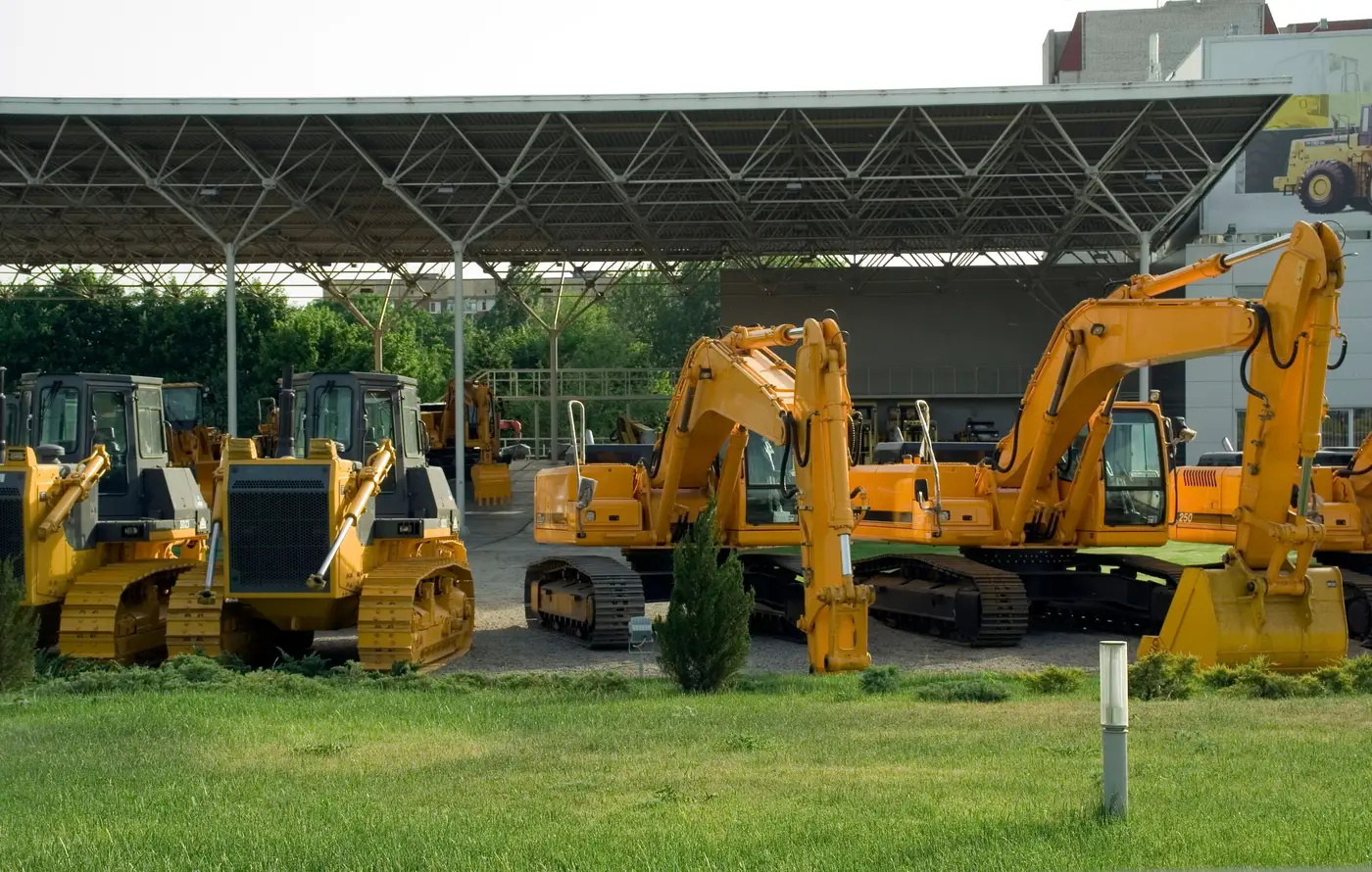
A regional manager at a crawler dozer OEM called his biggest dealer group last month for the usual quarterly check-in. How's the used lot looking. Anything moving. The branch manager, who has done this call a hundred times, said forty units on the ground, give or take.
Give or take turned out to be sixteen machines.
That's not a small miss. Sixteen units is a rounding error nobody should accept, and yet it's the kind of number that's been going into fleet models for decades because the phone call was the only tool available. Nobody was lying, and the branch manager wasn't padding or hiding inventory.
He was doing what every dealer does when asked for a count: estimating from memory, from the morning lot walk, from whatever he glanced at on the way to the coffee machine. Forty felt right. Forty was wrong.
Where did the other sixteen come from? A few places, once someone went looking. Six units sat on a back row behind the wash bay, consigned machines waiting on title paperwork that hadn't hit the DMS yet. Four were rental-return units parked at the far fence line, technically still on a rental contract on paper even though they'd been sitting idle for three weeks. Three were demo units a sales rep had pulled off the active list because they were "spoken for," except the deal fell through and nobody updated the sheet. And three more were repo units from a bank that hadn't been logged into inventory at all, just dropped off and forgotten until someone needed the space.
None of that is unusual. It's just what happens when a count lives in someone's head, or in a spreadsheet three people update inconsistently, instead of in something that gets checked the same way every time. The dealer's number was a snapshot of what he remembered, filtered through whatever was top of mind that morning, and that's a different thing from a count of what was parked on the lot.
This is the gap that makes fleet math go sideways further downstream. Market share estimates, replacement cycle models, utilization rates, all of it gets built on a per-site count that's treated as ground truth when it's really closer to a guess with good intentions. An analyst building a regional fleet model from forty dealer calls a quarter isn't compounding small rounding errors. They're compounding forty separate versions of "give or take," and the gaps don't average out, they stack.
The fix isn't asking dealers to count more carefully. It's not their job to be an inventory system, and most of them have better things to do than walk a lot with a clipboard every Monday. The fix is separating the question "how many machines are on this site" from the question "what does the branch manager remember." A dated image of the yard answers the first question on its own, without needing anyone to pick up a phone or dig through a DMS that's three weeks behind. Heavy Equipment Detection builds exactly that: a monthly, per-site machine count read straight off very-high-resolution imagery, the kind of number you can hand to a replacement-cycle model without a caveat attached.
Sixteen machines doesn't sound like much until it's the difference between a dealer carrying healthy used inventory and one sitting on dead stock nobody's moving. The next time a quarterly call comes back with a round number, it might be worth asking what that number is actually counting, and whether a count from the yard itself would tell a different story.
If your fleet estimates still start with a phone call, it's worth finding out what a direct count of the yard would change.